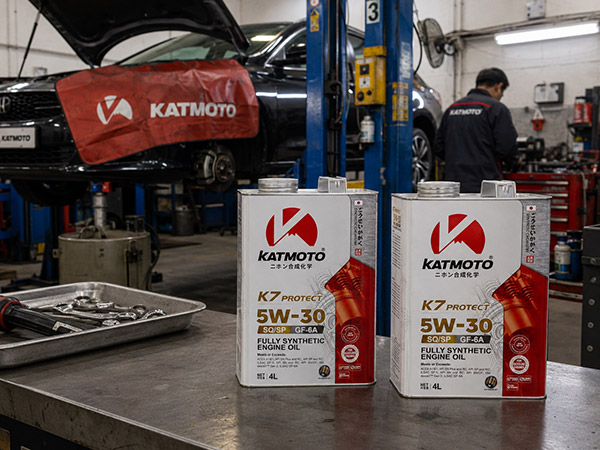
Several factors influence how well engine oil protects your vehicle. Temperature extremes, driving habits, and engine age all play important roles in oil performance. High-quality oil formulations include additives that help resist oxidation, prevent sludge formation, and maintain viscosity across a range of operating conditions. Understanding these factors can help you make informed decisions about your vehicle’s maintenance.
Main factors that influence engine oil performance
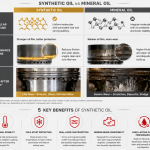
Engine oil performance depends on more than whether the product is synthetic or mineral. The right oil must match the engine design, operating temperature, driving pattern, viscosity requirement and service interval recommended by the vehicle manufacturer. When these factors are not aligned, even a good lubricant may not deliver its full protection potential.
Viscosity, temperature and driving conditions
Viscosity is one of the most important performance factors. An oil must flow quickly at cold start while maintaining enough film strength at high operating temperature. City driving, stop-and-go traffic, high-speed highway use, dusty environments, heavy loads and hot climates can all increase stress on the lubricant. These conditions may accelerate oxidation, increase deposit formation and reduce the useful life of the oil.
Additive chemistry is another key factor. Detergents help keep internal surfaces clean, dispersants help manage contaminants, anti-wear additives support metal-to-metal protection, and antioxidants help slow oil degradation. A balanced formulation is important because engine oil must protect, clean, cool and seal at the same time.
Why oil selection should follow real application needs
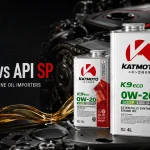
For workshops, distributors and fleet operators, choosing engine oil should start with the required specification and viscosity grade, then consider the vehicle age, engine condition, fuel type and expected operating environment. For example, a modern low-emission engine may require a different formulation from an older engine used in a hot-climate market. Following the correct API, ACEA, ILSAC or OEM guidance helps reduce the risk of misapplication.
KATMOTO offers a wide synthetic engine oil range for passenger cars, motorcycles, commercial vehicles and specialized applications. Buyers can compare suitable products from the Products page or review category options such as Passenger Car Engine Oil.