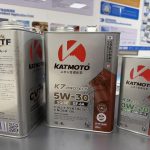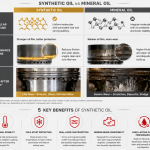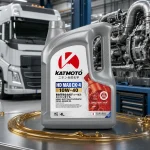
Quality control is a critical component of lubricant production. From incoming raw material testing to finished product analysis, manufacturers implement multiple checkpoints throughout the production process. Viscosity measurement, flash point testing, and cold cranking simulator tests are among the standard procedures used to verify product specifications. Consistent quality assurance helps ensure that every batch meets expected performance standards.
Why quality control matters in lubricant manufacturing
Lubricants are precision products. A small variation in base oil quality, additive dosage, blending temperature or contamination control can affect viscosity stability, oxidation resistance, wear protection and long-term equipment reliability. For distributors, fleet operators and OEM/private-label partners, quality control is therefore not just a laboratory step. It is the system that keeps every batch consistent from formulation to filling.
Key checkpoints in a reliable lubricant production process
A disciplined lubricant manufacturer should verify incoming raw materials, control blending accuracy, test finished oil properties and keep production records for traceability. Typical checks may include viscosity, density, flash point, pour point, appearance, water contamination and specification alignment. These checks help confirm that the finished lubricant performs as intended before it reaches a vehicle, workshop, distributor warehouse or industrial customer.
Packaging control is also part of quality management. Clean containers, correct labels, secure caps and batch identification reduce the risk of misapplication and make after-sales support easier. For B2B buyers, batch traceability is especially important because it allows a supplier to answer technical questions quickly and support long-term purchasing confidence.
What buyers should ask before choosing a lubricant supplier
When evaluating a lubricant brand, buyers should look beyond the front label. Useful questions include: Does the supplier provide technical specifications? Are product recommendations matched to application and operating environment? Can the supplier support private-label packaging, documentation and repeatable batch quality? These questions are particularly important for distributors building a long-term brand portfolio.
KATMOTO positions its synthetic lubricant range around stable formulation, practical application guidance and B2B supply support. For buyers comparing lubricant manufacturers, the goal is simple: choose a partner that can deliver consistent products, clear technical communication and dependable supply across repeated orders.
Learn more about KATMOTO quality standards on the Quality & Certifications page, or contact the team for lubricant distribution and OEM/private-label inquiries through Contact Us.