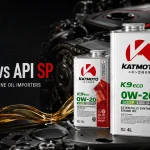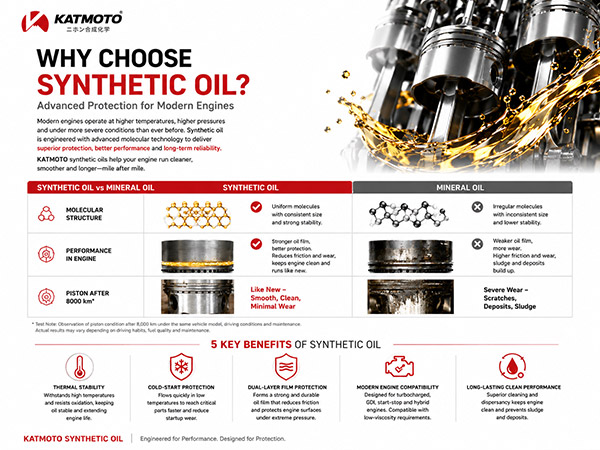
Fully synthetic motor oil offers superior protection compared to conventional oils. It is engineered to perform under extreme temperatures, providing better engine cleanliness and reduced friction. Modern engines increasingly require synthetic formulations to maintain efficiency and prolong engine life. Regular oil changes with the right grade of synthetic oil can help improve fuel economy and reduce emissions over time.
What makes fully synthetic motor oil different?
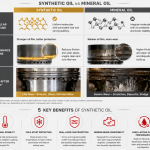
Fully synthetic motor oil is engineered for more consistent molecular structure and more stable performance than conventional mineral oil. This helps the lubricant maintain flow, film strength and cleanliness across a wider range of operating conditions. For modern engines with tighter tolerances, turbochargers, start-stop systems or high-temperature operation, that stability can make a meaningful difference.
Benefits for protection, cleanliness and cold starts
One major advantage of fully synthetic oil is its ability to flow quickly during cold starts. Faster circulation helps reduce the time engine components operate with limited lubrication. Synthetic formulations also tend to resist oxidation and thermal breakdown better than conventional oils, which can help control sludge, deposits and viscosity change under demanding use.
Another benefit is formulation flexibility. A synthetic base allows lubricant engineers to design oils for specific performance targets such as low-temperature pumpability, high-temperature protection, fuel-economy support or compatibility with modern emission-control systems. The final result still depends on the complete formulation, including additives, but synthetic base oils give the manufacturer a stronger foundation.
When should drivers or distributors choose synthetic oil?
Fully synthetic oil is often a strong choice for vehicles used in hot climates, frequent short trips, heavy traffic, long highway driving or performance-focused applications. It may also be preferred when a vehicle manufacturer requires a specific modern specification or low-viscosity grade. Service intervals should always follow the vehicle manufacturer recommendation and local operating conditions.
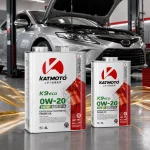
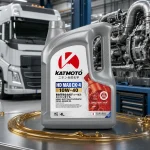
For B2B buyers, synthetic engine oil can support a higher-value product portfolio because it addresses the needs of modern vehicles and quality-conscious customers. KATMOTO synthetic lubricants are developed for distributors, workshops and OEM/private-label partners seeking reliable supply and clear product positioning. Explore the range from the KATMOTO product lineup.